English
We support all of our pupils to be capable readers, writers, spellers and speakers, who can transfer their English skills to other subjects and who are prepared for the next steps in their learning. We nurture them as eloquent and articulate speakers and writers, who use a wide and purposeful vocabulary. We encourage them as readers, who select texts for purpose and pleasure. Books and reading are at the heart of everything we do. Reading materials are built upon quality picture books, stimulating novels and non-fiction texts. These support children on the journey from reading to writing. Within our timetable, we are committed to providing independent and/or supported reading time on a daily basis. Children in our Reception class start to learn Phonics through our “Twinkl Phonics” programme to enable them to begin their reading journey.
Reading Newsletter
Our Reading Ambassadors had the great idea of publishing a Reading Newsletter to keep you up to date with all of the lovely reading we are doing in school, and to provide some great recommendations. Please have a look at our first issue!
Book Lists
Each year group has a list of suggested texts to read. These texts can be found within the children’s classroom libraries and the North and South Pole libraries. The texts have been carefully selected and include a range of favourite and well known books as well as new and diverse authors.
Questions to ask your child when reading
Reading comprehension tasks are commonly used to help improve children’s understanding of what they’re reading.
If you’ve ever wondered how to help your child with reading comprehension at home, then these reading prompts will help you do just that!
Use this comprehensive list of questions to ask your child when reading and encourage them to express their thoughts. This is also a great way to check if they need any additional help with their studies.
Author of the Half Term
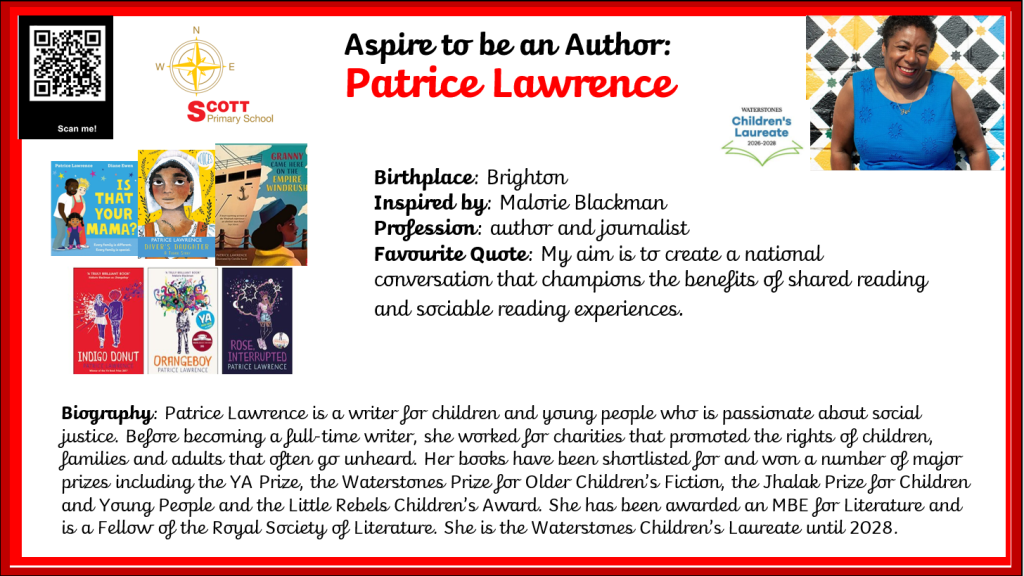
At Scott, we believed that every child should see themselves reflected through the characters of the books they read. We work hard to ensure our libraries include a range of diverse books for the children to choose from. Each half term we choose an author to highlight for KS1, LKS2 and UKS2. The children have library sessions to learn about these authors and their books.
Please find below information for each author for this Half Term.
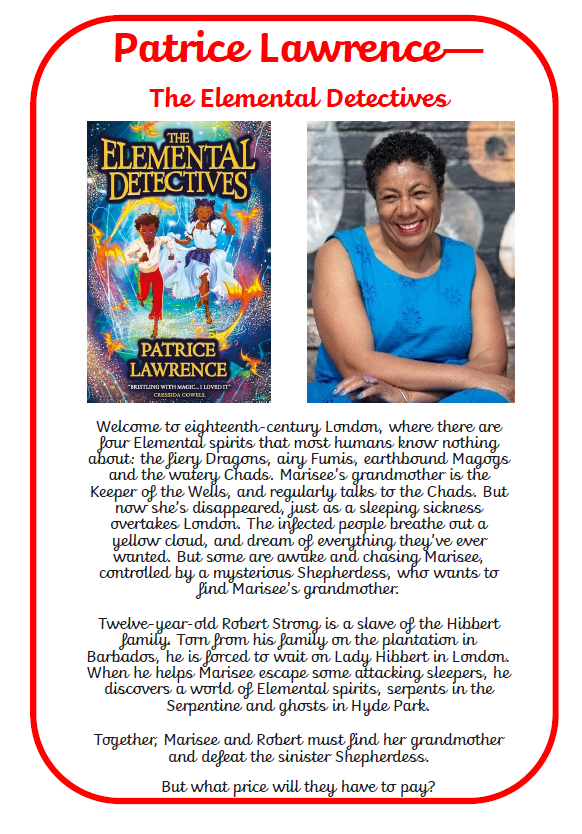
Autumn 1 – KS1 – Patrice Lawrence
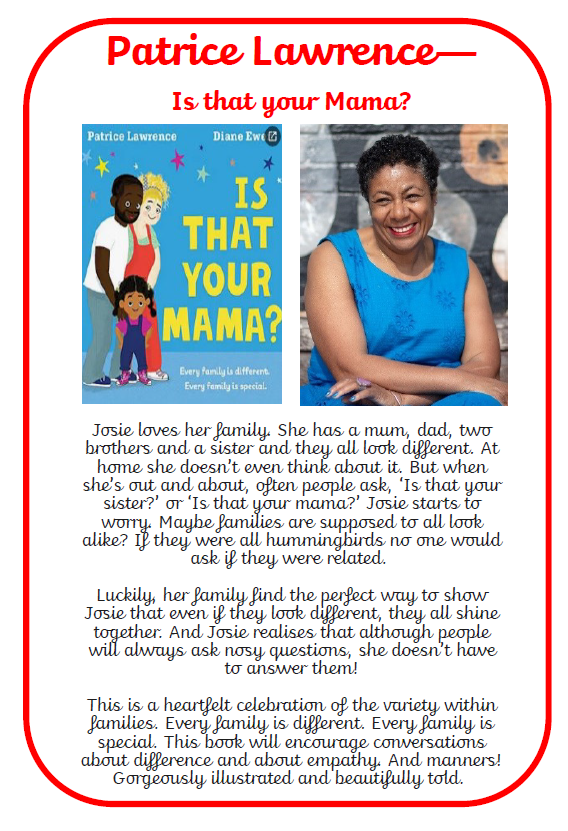
Autumn 1 – LKS2 – Patrice Lawrence
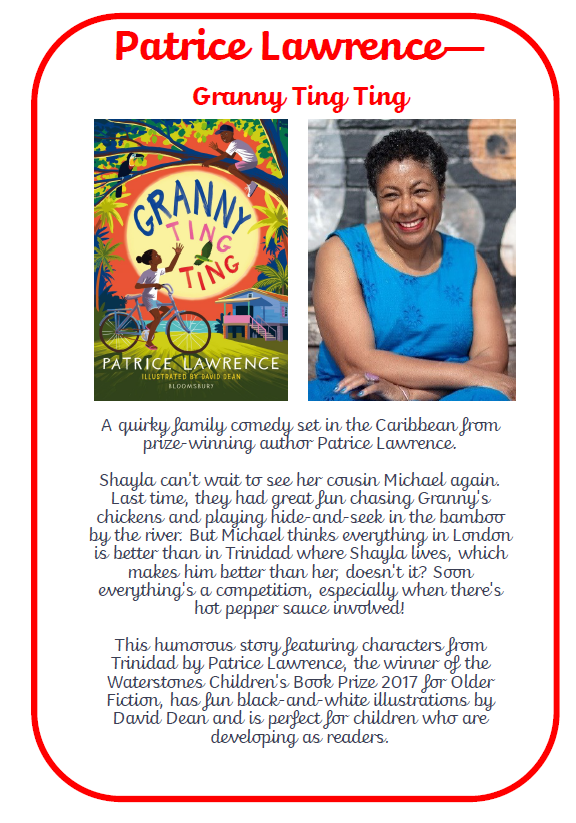
Autumn 1 – UKS2 – Patrice Lawrence
Phonics
Phonics is a way of teaching children to read and write by blending and segmenting individual sounds. Every letter and different combinations of letters make particular sounds. At Scott Primary we follow the Twinkl Phonics Programme of teaching which is split into 6 levels that systematically build on skills and knowledge of previous learning. Twinkl Phonics also teaches the children correct letter formation.
Children throughout Reception and Key stage 1 take part in daily phonics sessions. These sessions focus on key reading skills such as decoding to read words and segmenting the sounds in a given word to spell. During Phonics lessons we also teach children to read and write ‘tricky words’ also known as ‘sight words.’ These are words that you cannot sound out and children are just expected to remember how to read and write. See the list below for these.
At the end of year one, all children take a phonics screening check. This assesses the children’s understanding of the sounds they are taught and how they use them to read words. If children do not reach the expected level, they retake the Phonics Screening Check in Year two. Please see the government document for information about the Phonics Screening Check.
Phonics – Useful Videos
How are letters and sounds taught?
Tricky and common exception words
Level 2 sounds and actions
Level 3 sounds and actions
Level 5 sounds and actions
Level 6 pure sounds and mnemonics
This is a video to model how to say the pure sounds correctly including digraphs and trigraphs: – Oxford Owl
This video is a visual guide for parents – what is phonics? – Oxford Owl
How to blend sounds and read words – Oxford Owl
Phonics – Useful Websites
In school we often use Phonics Play as it has many fun and interactive games. The free parents section to phonics play is linked below:
www.phonicsplay.co.uk/ParentsMenu.htm
Information for parents about bug club
Mr Thorne does phonics –
A youtube channel designed by a teacher for parents, children and schools. Mr Thorne has a giraffe puppet called Geraldine. He has a variety of interactive and engaging videos that teach single sounds as well as digraphs and trigraphs. He shows the sound and teaches you how to blend them into words.
https://www.youtube.com/channel/UC7sW4j8p7k9D_qRRMUsGqyw
Alphablocks is fun and exciting for supporting early reading and phonics. Many children are familiar with Alphablocks from the show on CBBC:
https://www.bbc.co.uk/iplayer/episodes/b01cz0p1/alphablocks
Children’s Laureate
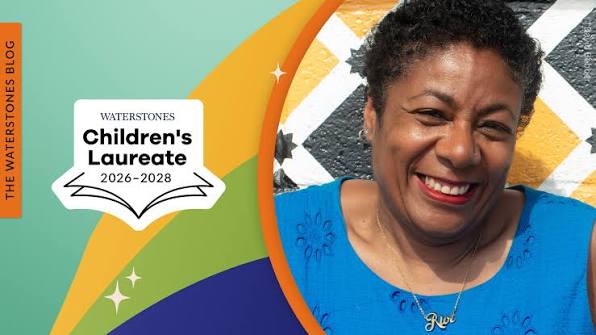
Award-winning author Patrice Lawrence has been named the new children’s laureate.
The author, known for writing Orangeboy, will take on the role as the leading representative of children’s literature until 2028.
Brighton-born Lawrence was presented with the silver laureate medal by the outgoing children’s laureate Frank Cottrell-Boyce at a ceremony in London earlier.
She said: “I will champion the power of books to make us feel like we belong, and shared stories as a tool for bringing people together.”
Lawrence, who now lives in Hastings, said she also wanted to “celebrate the unsung heroes who bring joy and nurture reading communities through their work”.
She added: “I have written for children and young people of all ages, and I know that stories help children – particularly vulnerable children – feel seen, understood and most importantly, valued.
“Stories help readers explore unfamiliar subjects safely with space to pause and reflect on complex emotions.
“And just as importantly, reading helps us understand each other’s stories.”
Lawrence said during her time in the role she wanted to work with children and adults from diverse backgrounds to tell their stories.
Reading Ambassadors
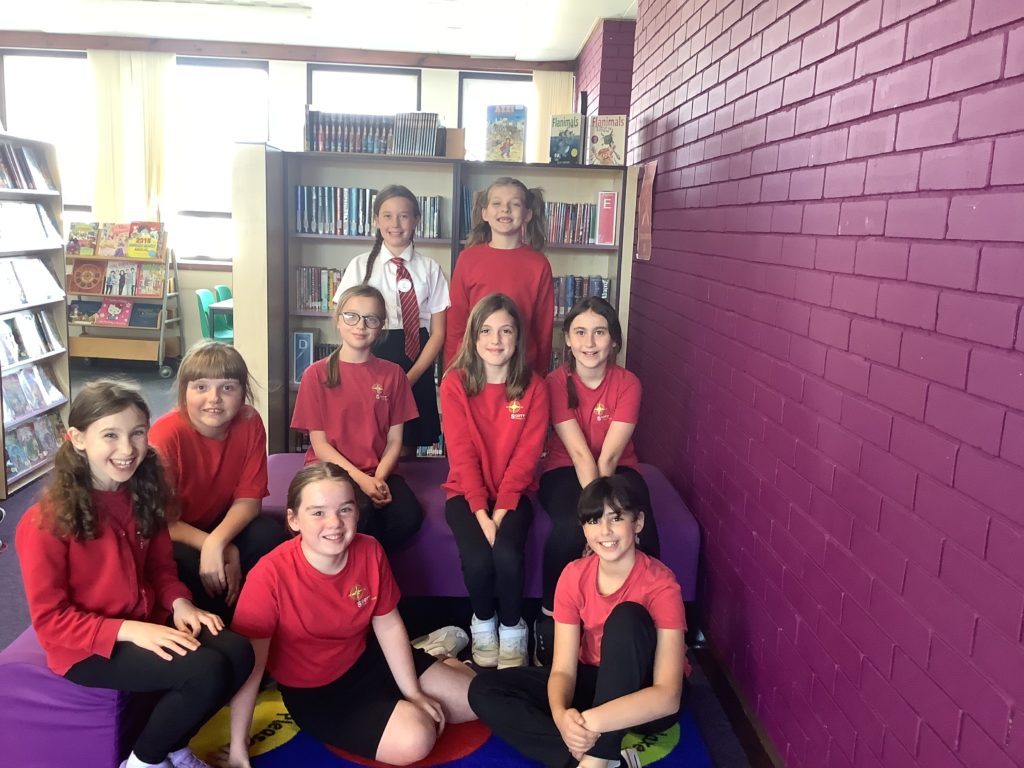
Reading is very important at Scott Primary School; we know that much research has shown that children who read regularly at home perform better at school. Our Reading Ambassadors provide a children’s voice in how we promote reading throughout the school.
Reading Ambassadors are chosen for their love of reading, their willingness to share this passion with others and enthusiasm to promote reading throughout the school.
Reading Ambassador Roles:
- Part of the job of the reading ambassador is to encourage others in their class to read.
- Monitor children’s attainment of reading challenges.
- Share book reviews and recommendations with their classes.
- Complete library audits to find out what books, genres, dictionaries and thesauruses are needed to support reading.
- Help with Reading Events across the school.
- Help create displays to promote reading within school.
- Help to run and organise the library
- Hold Story Time session for KS1 children in the Library
Our current Reading Ambassadors are:
Year 5 – Layla, Shelby, Esme, Meredith and Ivy
Year 6 – Gheorge, Erick, Anna, Elodie, Emilia, Rueben, Oliver, Ephraim, Skye and Vanessa
Libraries at Scott
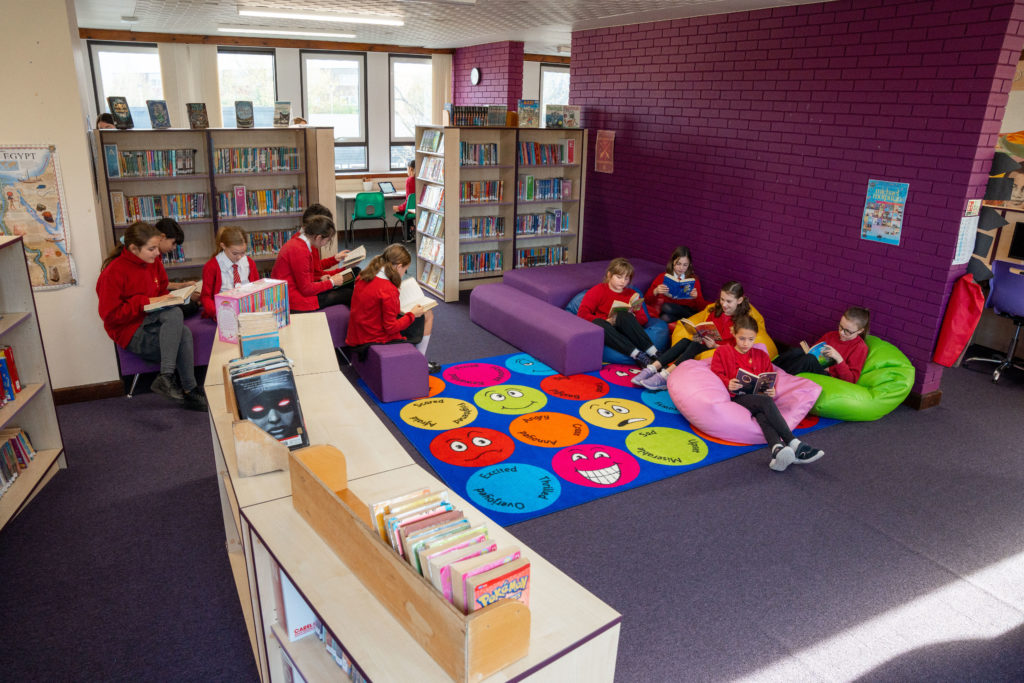
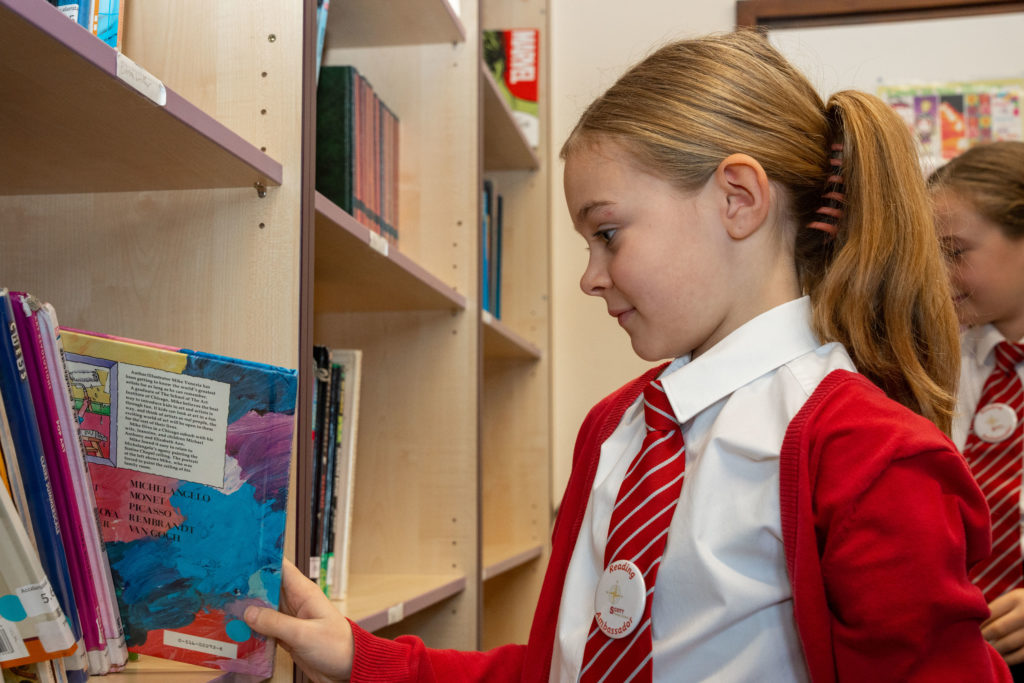
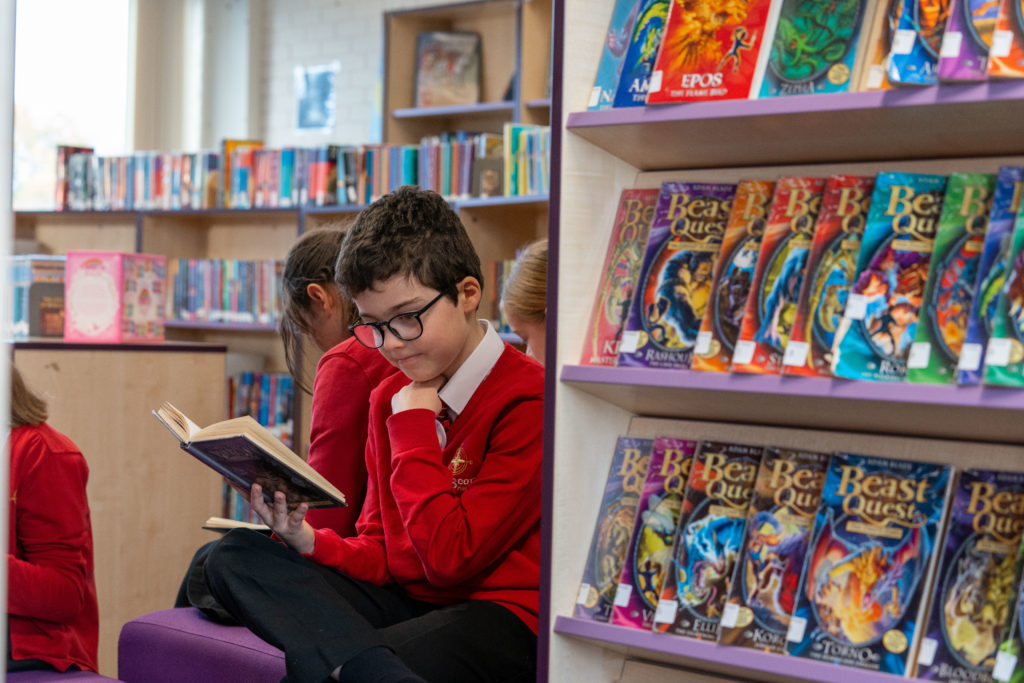
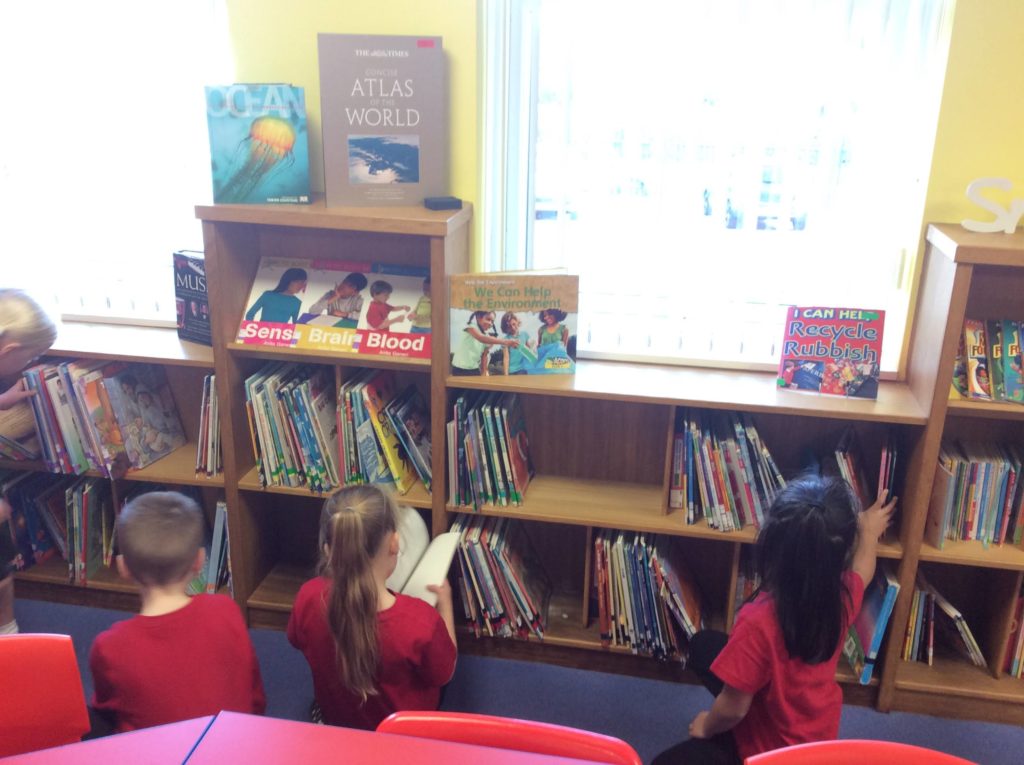
At Scott, we are very fortunate to have 2 libraries that our children can access.
The library is open for KS1 children every week for a story time session run by the Reading Ambassadors, and children can access the library every Thursday lunchtime to change their book. They will also have a taught session once a fortnight with our KS1 Librarian Mrs Cowley, to learn about that half-terms author, learn library skills and take out a library book.
The KS2 library is open every break and lunchtime for children in Years 3-6. They can change their books during these times and also take part in special events or use the library computers. Each class will have a taught session in the library once a fortnight, led by our KS2 librarian Miss Castellano. They will learn about that half-terms author as well as develop their library skills.
Talk Like an Author
At Scott Primary, we understand the importance of language development in order to be effective communicators. In Science lessons, we ‘Talk like an Author’ and think about how an author manipulates vocabulary and language to create a piece of writing and evoke a response in the reader.
Aspire To Be
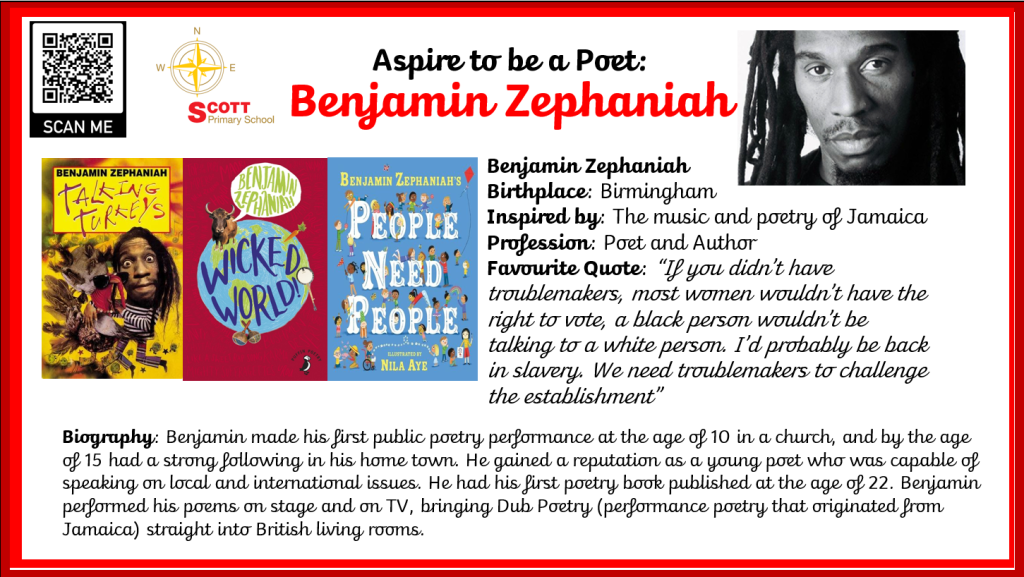
At Scott Primary, we aim to inspire our children to reach for a range of jobs regardless of their culture, background or heritage. Therefore we use our aspire to be posters to give some information about the different jobs and professions that the children could want to do when they leave us. These posters are displayed around our school and the children have the opportunity to read them, learn from them and on most use a QR code to delve deeper into the person life.
Useful Websites
Accelerated Reader
https://global-zone61.renaissance-go.com/welcomeportal/6704391
Spelling Shed